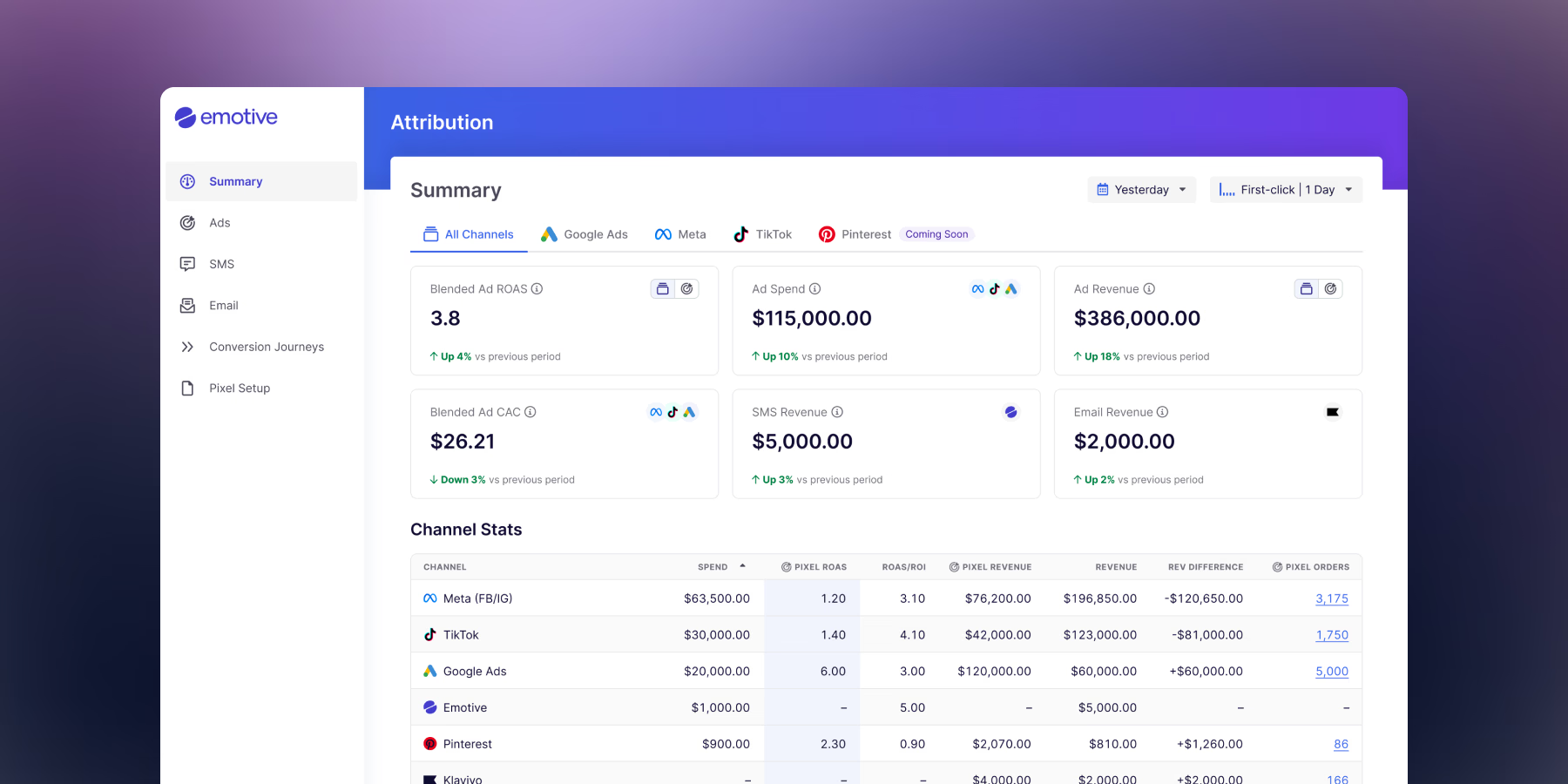
Situation
Marketers were allocating 80% or more of their annual budgets to paid advertising — yet had no single place to understand true performance. Ad data was fragmented across platforms, third-party tracking introduced attribution errors, and teams were flying blind when optimizing spend. SMS, our core product, was being deprioritized simply because marketers couldn’t quantify its value relative to other channels.
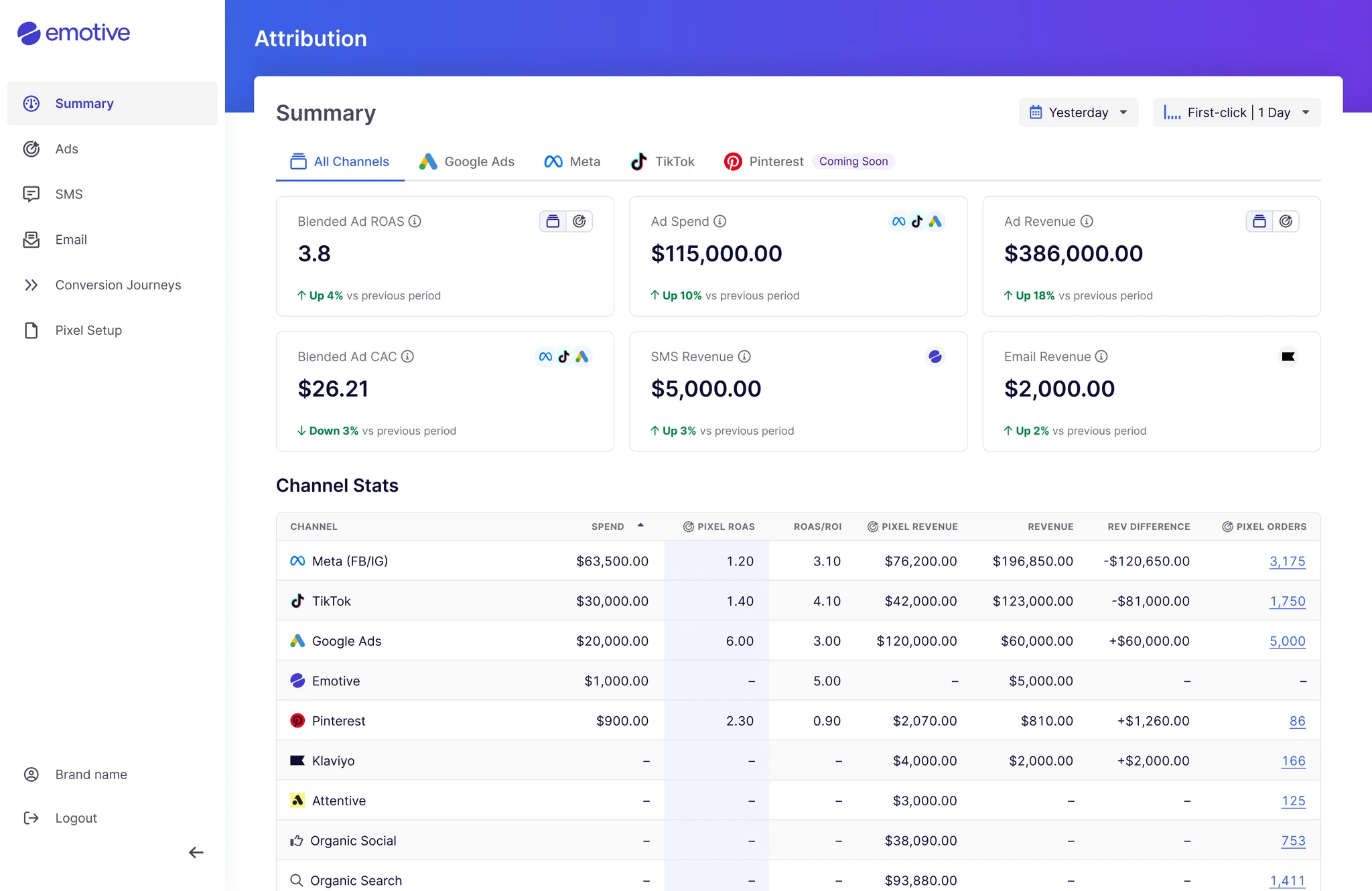
The opportunity was clear: build an all-in-one attribution dashboard that consolidated disperse ad platform data with transparent, first-party attribution — giving brand owners and media buyers a single source of truth to grow their business.
My Role
I stood up a new product innovation team and established a design process rooted in continuous discovery, partnering closely with the Product Manager, Tech Lead, and Chief Product Officer. Rather than executing pixels myself, I directed a Senior Product Designer on execution while I focused on research, strategy, and cross-functional alignment.
My key contributions:
- Defined the strategic framing — what started as an SMS opportunity investigation revealed a much larger gap in marketing attribution. I reframed the team’s focus around the marketer’s full workflow, not just our channel.
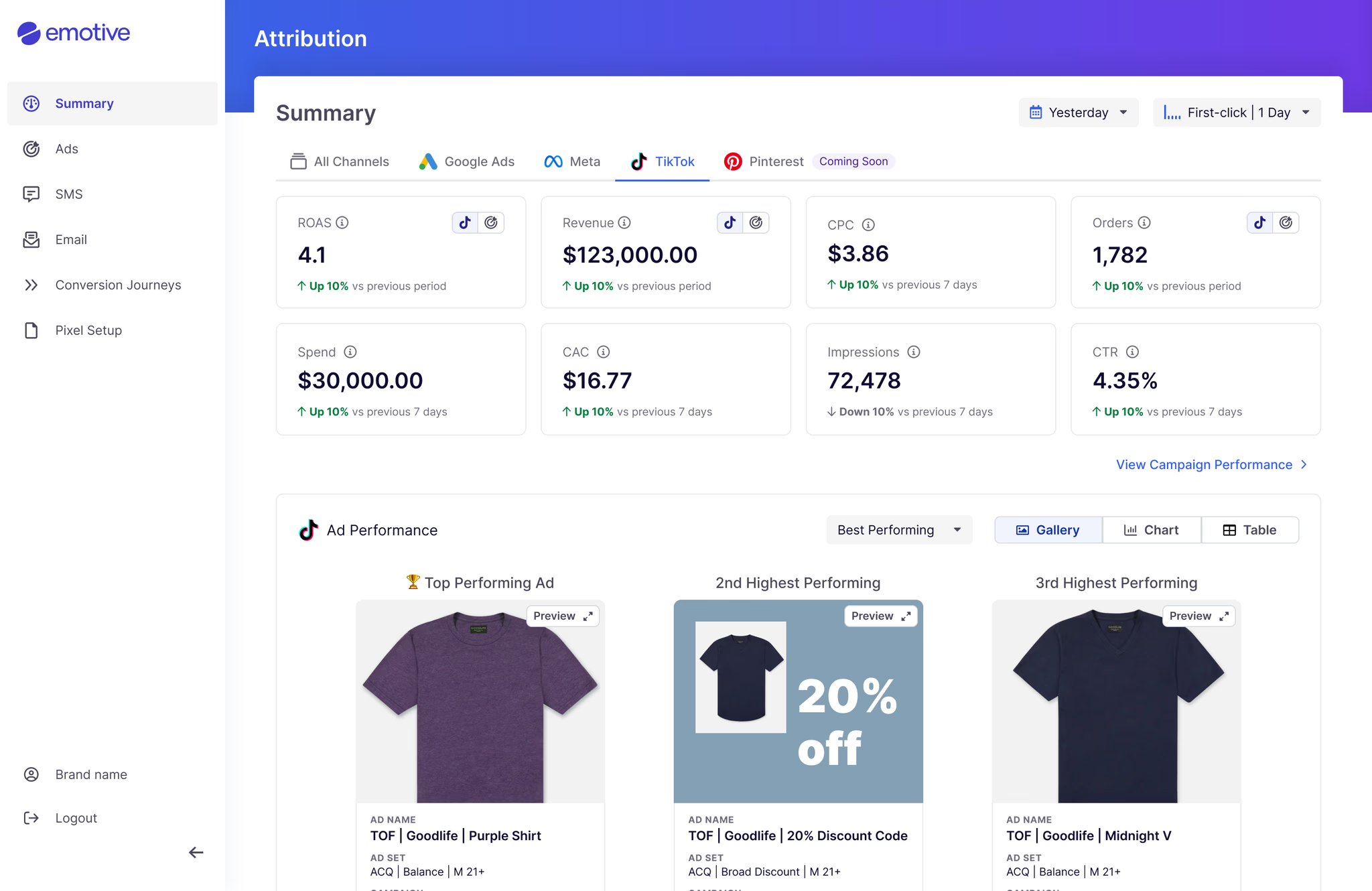
- Led market research and competitive analysis to identify the metrics that matter most to our target users, establishing the core KPI set the product would be built around (ROAS, CAC, CVR, AOV, and more).
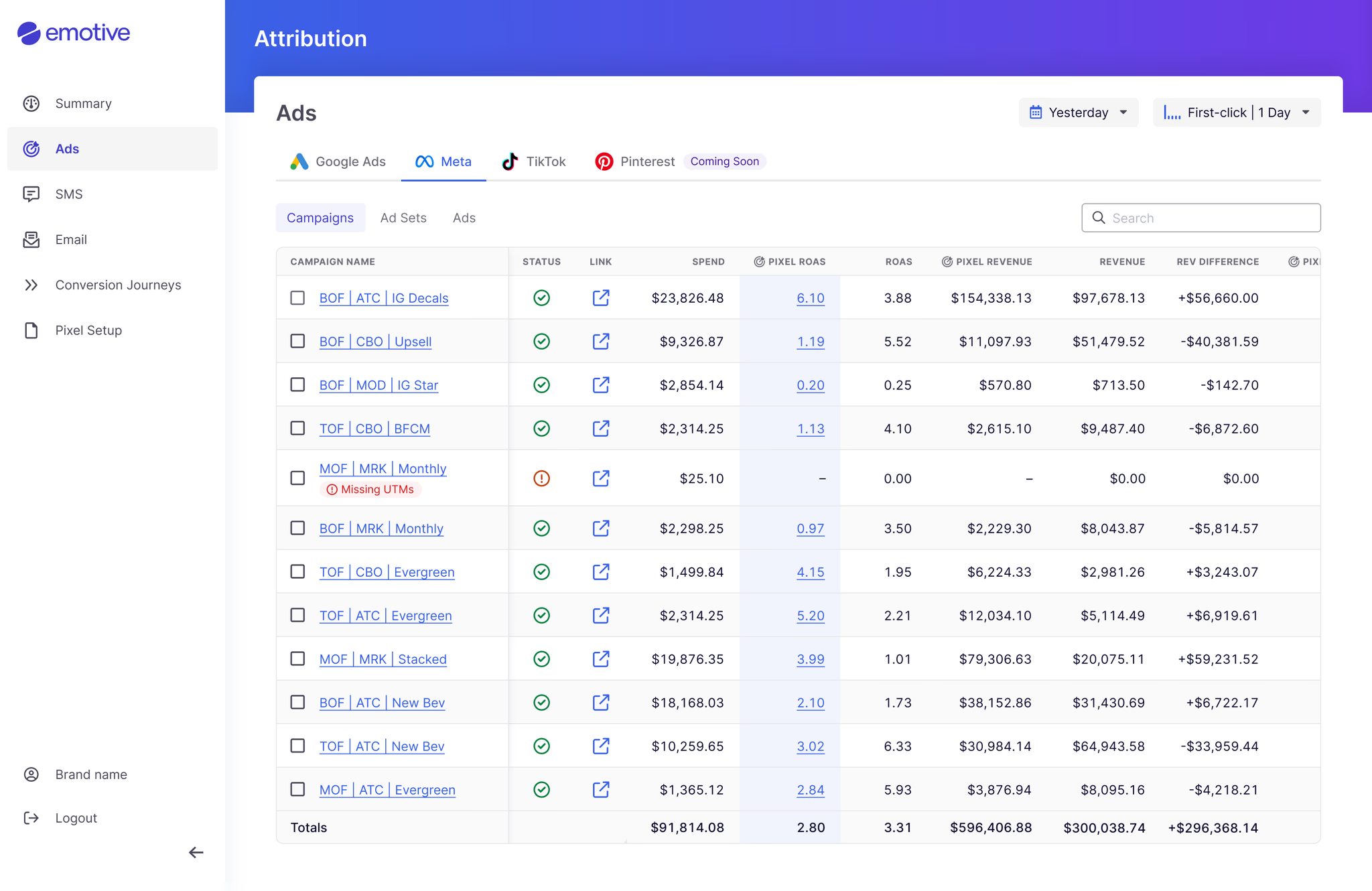
- Prioritized UX scope using an effort/value matrix, converging on four focus areas: a high-level summary view for brand owners, detailed channel pages for media buyers, at-a-glance ROAS highlighting, and navigation patterns familiar from native ad platforms.
- Directed prototype strategy — guided the Senior Designer through a highly functional Figma prototype used for both user validation and sales demos.
- Facilitated Lightning Design Jams — cross-functional ideation sessions using the 4C’s framework (Collect, Choose, Create, Commit) that brought in voices from outside the product team and accelerated alignment on direction
- Conducted and synthesized 20 user interviews with brands and media buyers to validate direction, surface usability gaps, and inform iteration priorities.
- Established success metrics upfront with the PM and CPO, creating clear Q1 KPIs to evaluate product-market fit.
Impact
We hit our MRR target within the quarter, exceeding the $10k goal by $2k. Retention landed at 92% — one point shy of target, but within range for a first release. WAU fluctuated but remained acceptable given the early stage of the product. More meaningfully, we validated a clear product-market fit signal: marketers wanted this, and were willing to pay for it quickly. The research also revealed a behavioral split between brand owners and media buyers that shaped the next phase of the roadmap.
Reflection
A few decisions I’d revisit. Shipping with a Beta label hurt post-trial conversion — users perceived it as a signal not to pay, and we underestimated how much that framing would erode trust. I’d advocate to remove it earlier, or find another way to communicate iteration cadence without devaluing the product.
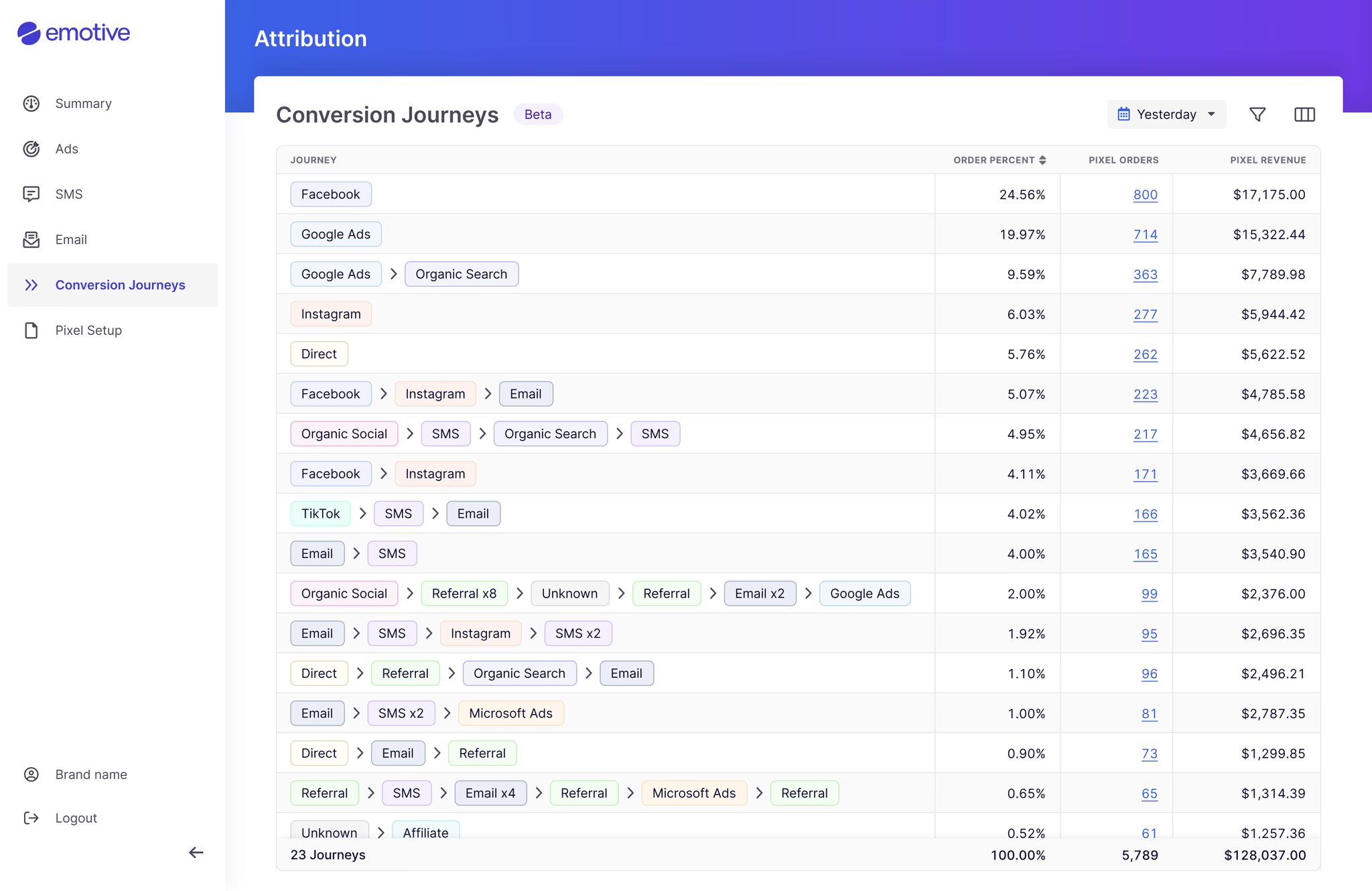
I also underinvested in onboarding infrastructure. A manual, high-friction script installation created CX drag that didn’t scale and burdened our support team. Earlier pressure to prioritize a self-serve install path would have improved both retention and team efficiency. Looking ahead, the user research pointed to two clear next bets: a column visibility feature that lets users personalize their KPI view by role, and a conversion journey visualization that maps the full funnel from first touch to purchase. Both came directly from what I heard in interviews — a reminder that early research investment pays compounding returns.